

The Importance of Web Accessibility: Designing Websites for Everyone
As a deaf web designer, I understand the importance of web accessibility. When designing websites, it’s essential to ensure that they’re accessible to everyone, regardless of their abilities. This includes people who are deaf or sight-impaired, as well as those with other disabilities.
Why is web accessibility so important? For starters, it’s the right thing to do. As web designers, we have a responsibility to make our websites accessible to everyone. But there are other reasons, too. Accessibility is good for business. It can help you reach a wider audience and improve your search engine rankings. It can also help you avoid legal trouble, as there are laws and regulations in many countries that require websites to be accessible.
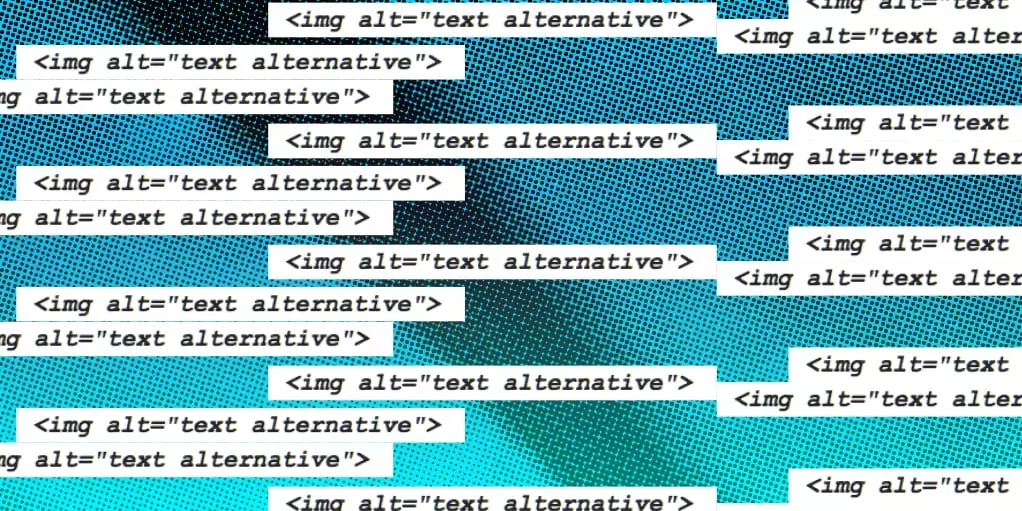
- Use descriptive alt text for images Alt text is a short description of an image that is read aloud by screen readers. By including descriptive alt text, you can make your website’s images accessible to people who are sight-impaired. For example, instead of using “picture.jpg” as your alt text, you could use “A red apple on a white background.”
- Use closed captioning for videos Closed captioning is essential for people who are deaf or hard of hearing. By adding closed captions to your videos, you can make them accessible to everyone. You can either create the closed captions yourself or use a service like YouTube’s automatic captioning.
- Ensure that your website is keyboard accessible Many people with disabilities rely on keyboard navigation to browse the web. To make your website keyboard accessible, ensure that all of your links and interactive elements are accessible via the keyboard. You can test this by using the Tab key to navigate through your website.
- Use a high-contrast color scheme A high-contrast color scheme can make your website more accessible to people with low vision. Use colors that have a high contrast ratio, such as black and white or yellow and black, to make your website’s content more visible.
- Ensure that your website is compatible with screen readers Screen readers are software programs that read aloud the content of a website for people who are blind or visually impaired. To ensure that your website is compatible with screen readers, use semantic HTML markup and avoid using tables for layout.
By taking these steps, you can make your website more accessible to everyone, regardless of their abilities. It’s not only the right thing to do, but it can also help you reach a wider audience and improve your search engine rankings. At Garfield Media, we’re committed to designing websites that are accessible to everyone. If you’d like to learn more about web accessibility or how we can help you create an accessible website, please contact us today.